
Yéyo Journal · Education
Blanco vs. High-Proof Tequila: What's the Difference?
By Jon Bullinger, Founder of Yéyo Tequila
It's one of the questions I hear most often: what's actually the difference between our Yéyo Blanco 80 and our Blanco 96 High Proof? They come from the same agave, the same distillery and the same people. The short answer is proof. The longer answer is what that proof does to aroma, flavor and the way you might enjoy each one.
Same agave, same distillery
One foundation, two expressions.
Both tequilas start exactly the same way: 100% Blue Weber agave grown on Vivanco family-owned farms in the Highlands of Jalisco, slow cooked in brick ovens for 53+ hours, fermented with Champagne yeast over an extended fermentation, and double distilled in copper pot stills at Destilería El Ranchito, NOM 1414, in Arandas. Both rest for 70 days before bottling.
Blanco 96 adds one twist along the way: about 5% agave fibers are incorporated during fermentation, which helps bring forward more depth, texture and Highland character in the finished spirit. You can read more about the whole process on How Yéyo Is Made.
80 proof vs. 96 proof
What proof changes.
“I always describe our Blanco 96 as our Yéyo Blanco 80, but with the volume turned up—in a good way.”
Blanco 80 is bottled at 80 proof (40% ABV). Blanco 96 is bottled at 96 proof (48% ABV). That extra proof isn't about making a "stronger" tequila for its own sake—it changes how the tequila expresses itself. Aromas can feel more vivid, flavors can land with more intensity, and the finish can carry longer.
I want to be clear about something, though: higher proof does not automatically mean better tequila. Proof is a preference, not a ranking. Some of the most beautiful tequilas I've ever tasted at the distillery were at everyday bottling strength. It comes down to what you enjoy and how you're drinking it.
Tasting notes
In the glass.
Side by side, the family resemblance is obvious—and so are the differences. Blanco 80 leads with cooked agave and floral citrus, moves into sweet spice, and finishes with pepper and a clean finish. It's crisp, clean and centered on cooked agave.
Blanco 96 opens with tropical fruit and bright citrus, then earthy minerality and white pepper, finishing with spearmint and a long warmth. Same Highlands agave character—more of it, and a little louder.
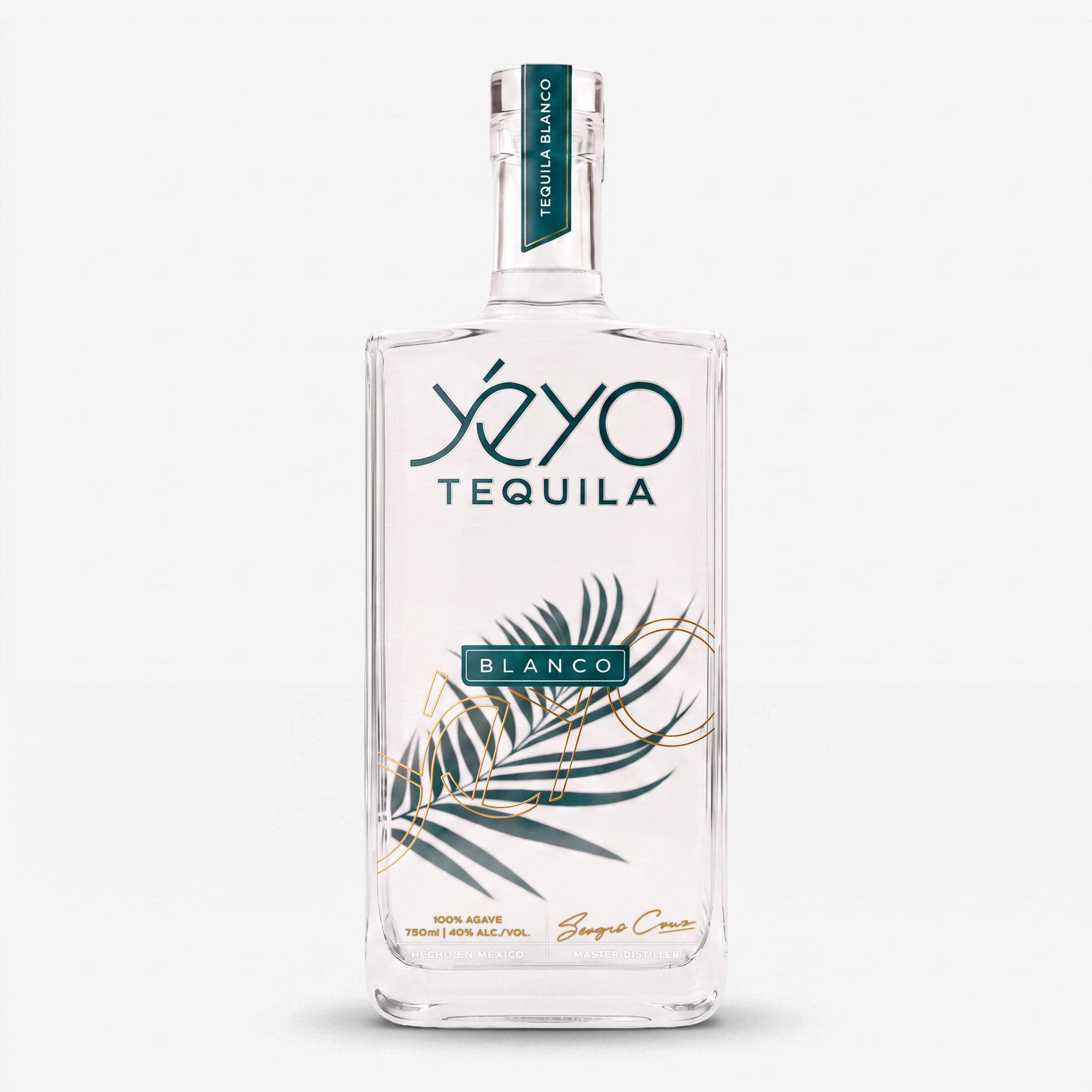
80 proof · 40% ABV
Tequila Blanco
Cooked agave · Floral citrus · Sweet spice · Pepper · Clean finish
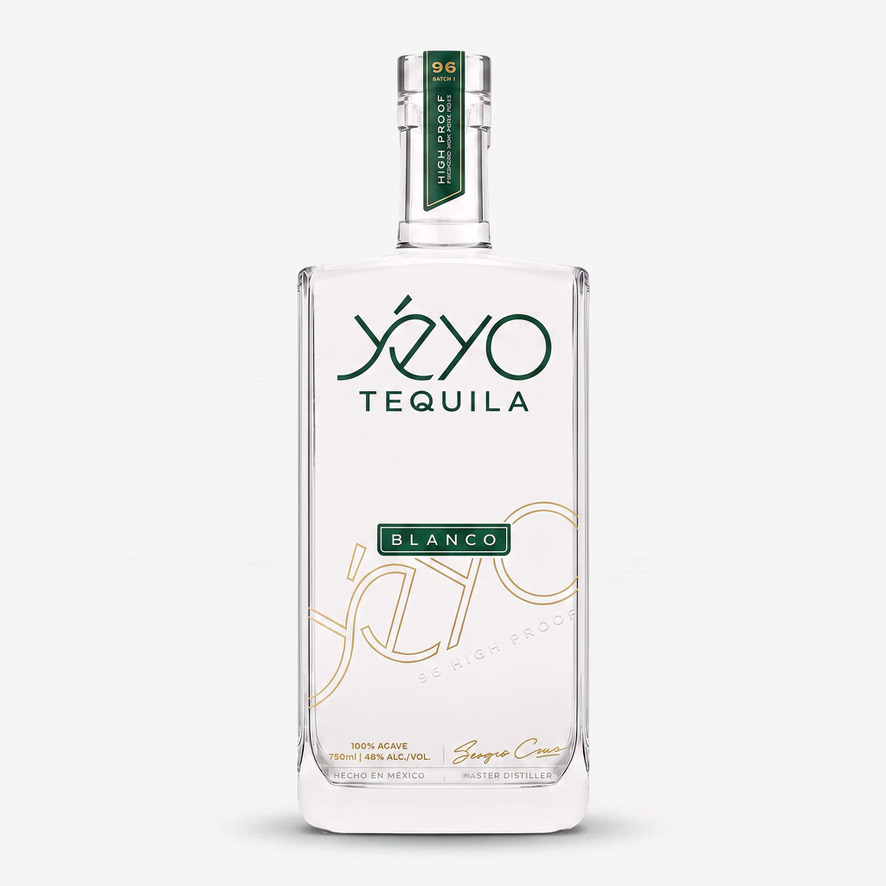
96 proof · 48% ABV
Blanco 96 High Proof
Tropical fruit · Bright citrus · Earthy minerality · White pepper · Spearmint
How to enjoy them
Sipping and cocktails.
If you're new to sipping tequila neat, Blanco 80 is where I'd start. It's an easy, welcoming pour, and it disappears beautifully into cocktails—it's the bottle behind most of the drinks in our Cantina.
Blanco 96 is the one I reach for myself. I love the intensity, and I love what it does in a cocktail when I want the tequila to stand up and be noticed—it's the heart of our High Voltage Margarita. If you already know you enjoy agave-forward flavor, it's a wonderful bottle to explore.
Whichever you choose, sip slowly and drink responsibly.
A fair question
Why higher proof can cost more.
People sometimes ask why higher-proof tequila can cost more. Part of it is simple math: a bottle at 96 proof contains more alcohol—and therefore more of the distilled agave spirit—than the same bottle at 80 proof, because less water is added to bring it down to bottling strength. Producing that spirit takes more agave and more time.
That doesn't mean higher proof always costs more, or that it should. Plenty of excellent tequilas are bottled at 80 proof, and price reflects many things beyond the number on the label. But when you see a high-proof expression priced a little higher, that extra spirit in the bottle is often part of the story.
About the author
Jon Bullinger
Founder of Yéyo Tequila
Jon Bullinger started Yéyo in 2009. At 25, he left a full-time job at Intel, and a trip to Mexico led him to a family-run distillery in Arandas, where he met the Vivanco family and Master Distiller Sergio Cruz. Today Jon is at the distillery in Arandas roughly 10 times a year, working alongside the team. Read the Yéyo story or see how Yéyo is made.